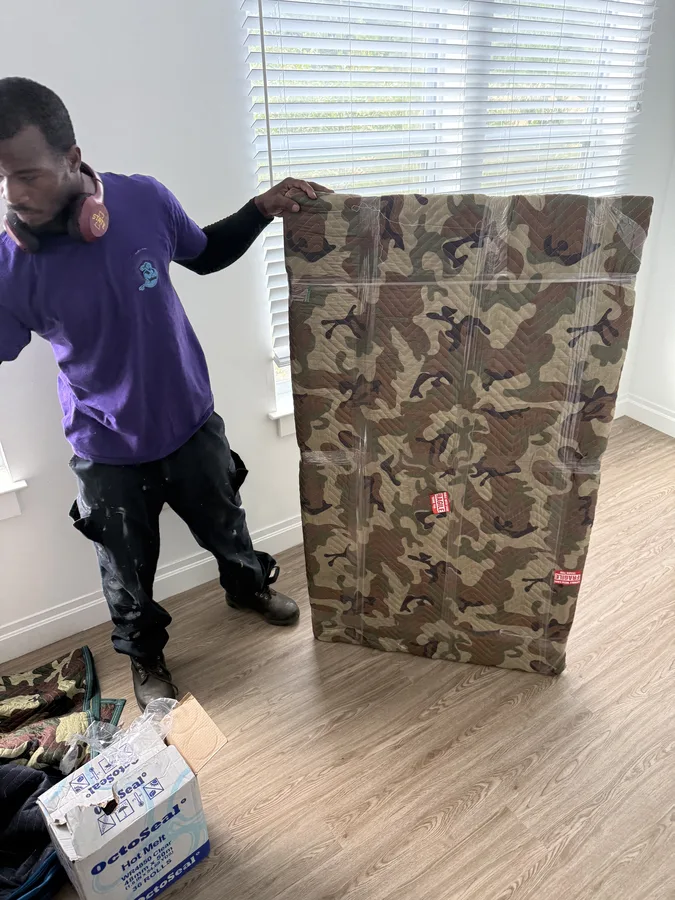
Planning your job: Company practices described here apply to most jobs and circumstances, not every move. Confirm timing, truck attendance, COI delivery, protection, accepted items, and any combined removal work in your written quote. An upfront quote depends on an accurate inventory and scope; discuss changes before work proceeds.
Clearing out a loved one's home is one of the hardest jobs a family takes on. It's physical work, but it's also emotional, and it often happens on a deadline set by a sale, a lease, or the estate. This guide walks through the process one step at a time, so you can focus on what matters and get help with the rest.
When do families need an estate cleanout?
The most common reasons are after a parent or relative passes away, when someone moves into assisted living or in with family, or when a long-time home is being sold. In Queens and Nassau County, that often means a house or apartment with decades of belongings: basements, attics, garages, and closets included.
Step 1: Talk to the executor and family first
Before anything leaves the home, agree on who makes decisions. If the estate is going through probate, check with the executor or the estate's attorney about what can be removed and when. It avoids disagreements later.
Step 2: Secure important documents and valuables
Look for wills, deeds, financial statements, insurance policies, tax records, keys, jewelry, cash, and photos before any sorting begins. Set them aside in one safe place.
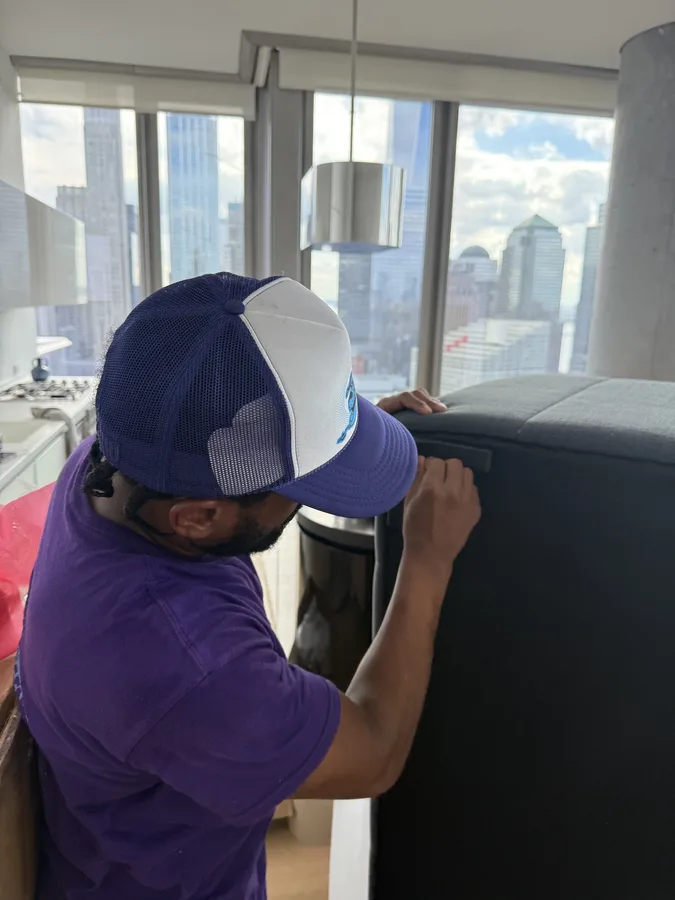
Step 3: Let family choose keepsakes
Give relatives a set window to walk through and claim items. Use colored stickers or a shared list so everyone knows what's spoken for. Photograph items people may want later.
Step 4: Identify anything that may need an appraisal
Art, antiques, collections, and fine furniture may be worth more than they look. Have potentially valuable items appraised before deciding to sell, donate, or keep them.
Step 5: Sort everything else into donate, sell, recycle, and discard
Work room by room, starting with the spaces that matter least emotionally (the garage or basement) so you build momentum before reaching bedrooms and photo albums.
Step 6: Plan disposal around local rules
In Queens, residents may set out up to 6 eligible large items per collection day. Mattresses and box springs must be sealed in plastic; covered electronics require separate disposal. Use the correct trash-only or recycling day and the 6 PM–midnight bulk set-out window. In Nassau, ask the town, village, city, or sanitation district serving the exact address for its rules. A full cleanout may require multiple collections or separately arranged removal.
Step 7: Bring in help for the heavy lifting
Once decisions are made, a crew can usually move keepsakes and furniture to family members’ homes within New York State and remove approved unwanted items in the same visit. Confirm the inventory and disposal arrangements first. That's where a company that does both moving and junk removal saves families extra trips, extra scheduling, and extra strain.
What can't go out in an estate cleanout?
Separate household chemicals, paint, propane tanks, and medications before arranging removal. NYC SAFE events and Special Waste Drop-Off sites have different accepted-item lists; neither accepts businesses or commercial vehicles. SAFE events accept medications and eligible flammable gas cylinders, while Special Waste sites are not a general drop-off for these items. Check item-specific preparation and limits. In Nassau, contact your own municipality: North Hempstead’s resident-only S.T.O.P. program excludes pharmaceuticals and latex paint. Do not assume a hauling crew can use resident-only programs. Confirm each item with The Moving Genie before booking. Acceptance depends on the material, condition, applicable transport and disposal rules, and the arrangements for the job; do not pack or load hazardous items without confirmation.
How long does an estate cleanout take?
It depends on the size of the home, how much is staying in the family, and access. Stairs, basements, and narrow hallways all add time. The sorting is usually what takes longest. When the family has made its decisions, the hauling itself moves much faster.
Should we hire a senior move manager or a junk removal company?
They do different jobs. A senior move manager helps plan and organize; a moving and junk removal crew handles transport and removal. Many families use both. We compare them in senior move manager vs. junk removal, and our senior downsizing checklist helps when your loved one is moving to a new home.
Frequently Asked Questions
Can we keep some items and haul away the rest in one visit?
We can usually combine moving keepsakes to family homes within New York State with removal of approved unwanted items. Confirm the inventory, access, disposal eligibility, and job plan before booking.
Do we need to be there during the cleanout?
It depends on your family's situation. Talk with us about access and who will be on site when you request a quote.
Can you handle fragile heirlooms?
We normally handle fragile heirlooms, subject to an assessment of the item and any special packing needs. Read how we pack fragile and high-value items and discuss your inventory before booking.
Should we wait for probate before clearing the home?
Check with the executor or estate attorney before removing anything significant.
Do you serve both Queens and Nassau County?
Yes. We work across Queens and Nassau, including Manhasset, Great Neck, and surrounding towns.