Planning your job: Company practices described here apply to most jobs and circumstances, not every move. Confirm timing, truck attendance, COI delivery, protection, accepted items, and any combined removal work in your written quote. An upfront quote depends on an accurate inventory and scope; discuss changes before work proceeds.
In a Queens co-op or condo, the building sets the terms of your move — not the moving company. Miss a requirement and the super can turn your truck away at the door. Here's what buildings typically ask for, and how to line it all up before moving day.
Why do co-ops and condos have so many move rules?
Because a move puts shared spaces at risk: elevators, lobbies, hallways, and neighbors' patience. Buildings protect themselves with insurance requirements, scheduled time slots, and deposits. Queens has a lot of these buildings — from the pre-war co-ops of Jackson Heights, Forest Hills, and Kew Gardens to the high-rise condos of Long Island City.
What do Queens buildings usually require?
Rules vary by building, but most combine some or all of the following:
- Management or board approval. Co-op boards often must approve your purchase or sublet before any move date is confirmed.
- A certificate of insurance (COI) from your mover, naming the building and its management company. Our certificate of insurance guide explains exactly what goes on one.
- A reserved move window. Many buildings only allow moves on weekdays during business hours, with no moves on weekends or holidays.
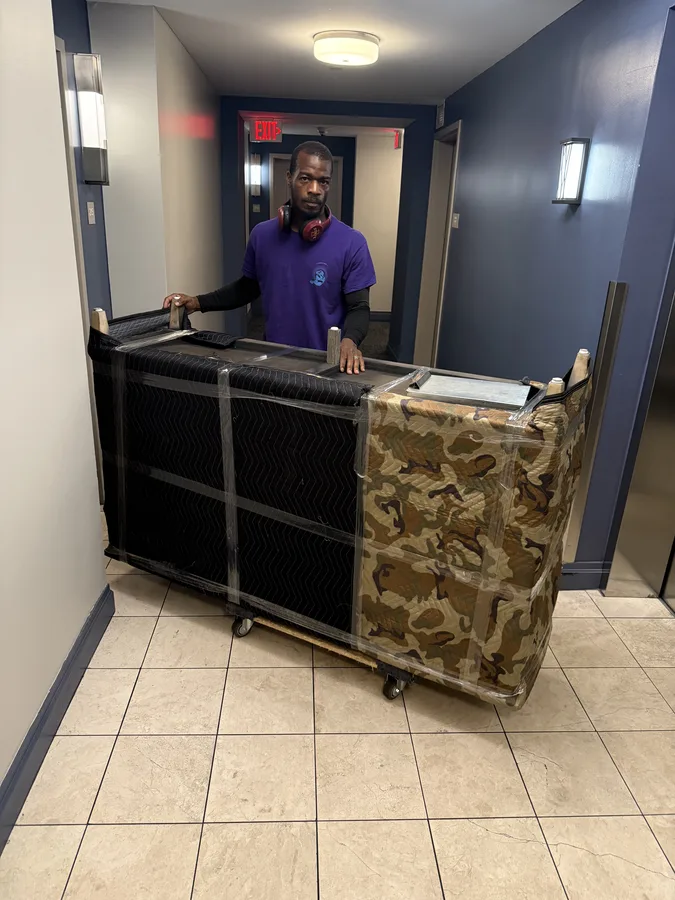
- Freight or service elevator reservation, with protective pads installed before anything goes in.
- A move-in or move-out fee and/or refundable damage deposit, set by the building.
- Floor and wall protection in the lobby and hallways.
- Use of a specific entrance, such as a service door or loading dock.
How far ahead should I contact my building?
As soon as you have a closing, lease, or move date. Popular move windows fill up — especially at the end of the month — and some boards need lead time to process approvals. Ask for the building's move rules in writing, including any forms.

What if my building has no freight elevator?
Many Queens buildings have one passenger elevator, or none at all. In elevator buildings, management may require the elevator to be padded and reserved for your time slot. In walk-ups and garden co-ops, the crew carries everything by stairs, which affects how long the move takes. Tell your mover about stairs and elevator access up front so the quote and crew size are accurate.
What happens if the move runs past my window?
It depends on the building. Some extend for a fee, others stop the move until the next available slot. The best protection is an accurate estimate: give your mover an honest inventory and building details, and book a window with breathing room.
Who handles the COI?
Your mover does — but you have to request it early. Send us your building's COI requirements as soon as you have them, and we'll get the certificate to management directly.
Questions to ask your building before moving day
How do professional movers protect the building?
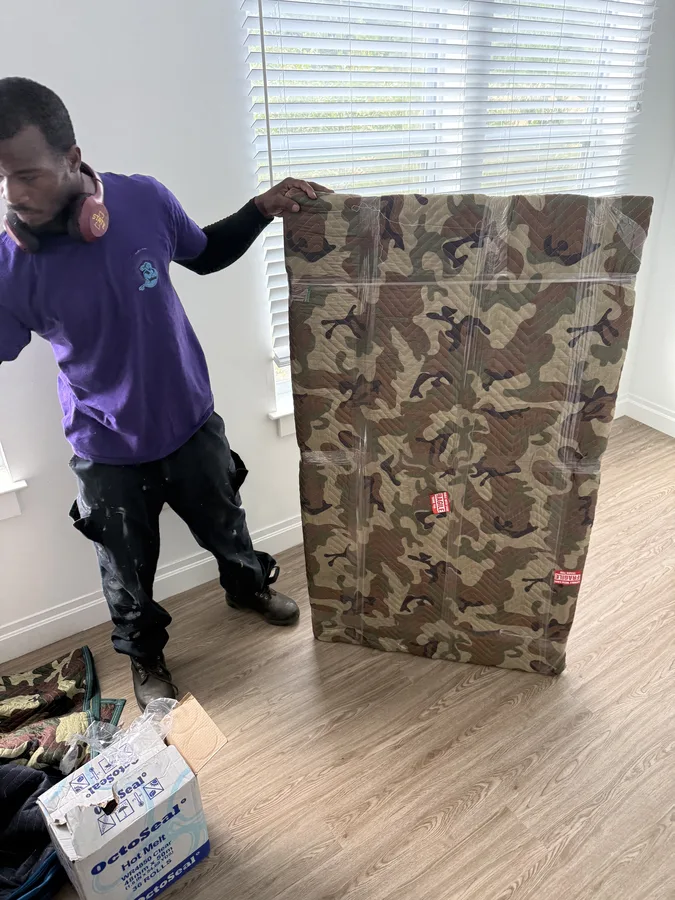
A careful crew pads the elevator, lays runners on lobby and hallway floors, protects door frames, and wraps furniture before it leaves the apartment. That protects your deposit as much as your belongings. See how we pack fragile items for how we handle what's inside the boxes.
Frequently Asked Questions
Can I move into a Queens co-op on a weekend?
Some buildings allow it, many don't. Check your building's written move rules.
Do condos need a COI too?
Usually, yes. Most managed buildings in Queens require one from the moving company.
What's the difference between a move fee and a deposit?
A fee is kept by the building. A deposit is typically refunded if no damage is found.
Do I need to tell my mover about my building's rules?
Yes — share them when you request a quote so the crew plans around your window, elevator, and entrance.
Do the same rules apply when I move out?
Usually. Most buildings apply move rules to both move-ins and move-outs.